Past Data

Climatology
Climatology is defined as the study of long-term weather patterns in a particular region, of at least 30 years of data. While it doesn’t help much with day-to-day forecasts it helps produce an overall pattern for what is to be expected based on historical data averages.
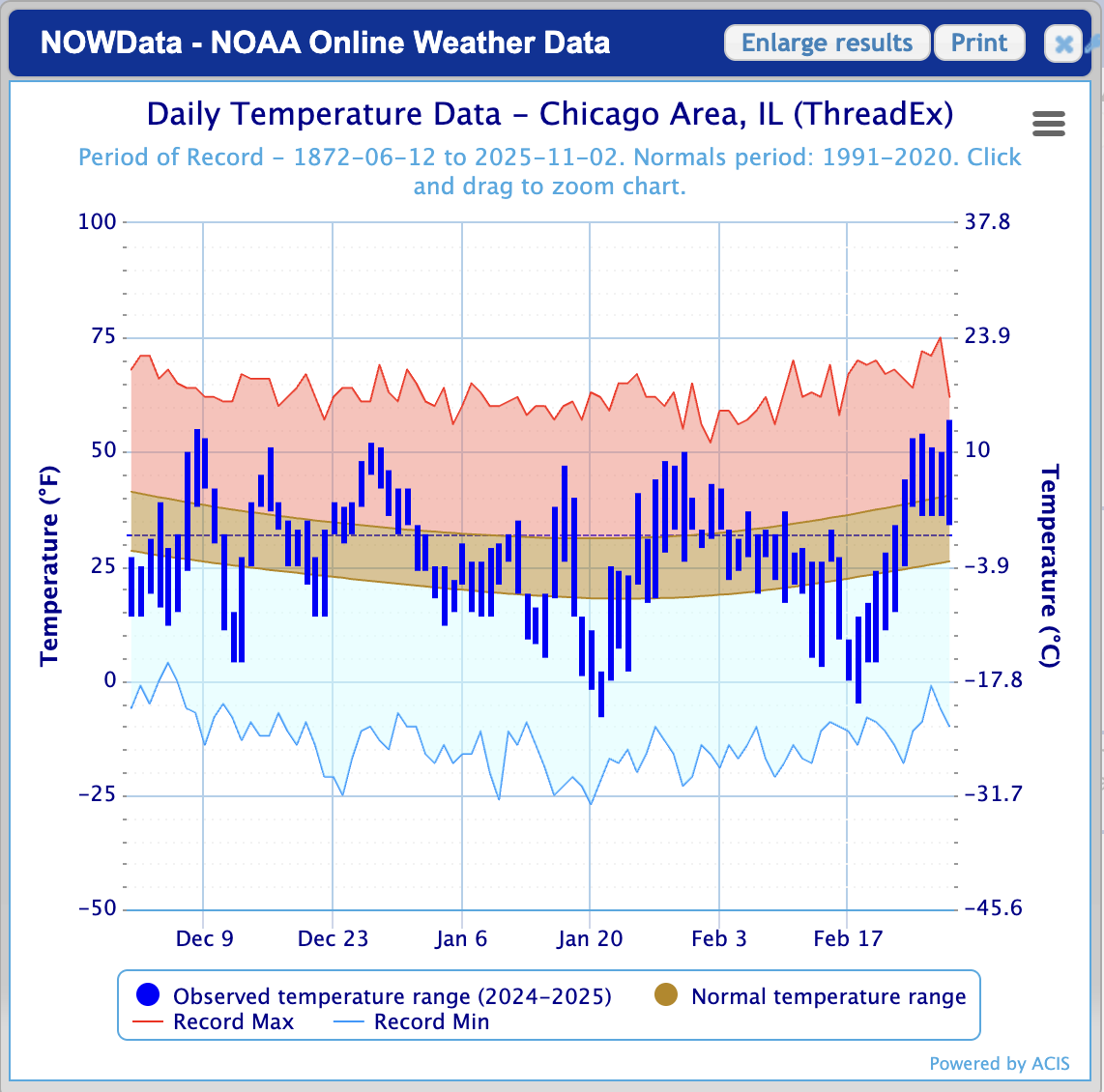
Typical climatology data collection involves temperature, humidity, precipitation, wind direction, wind speed, snow fall, and snow depth, but can include more.
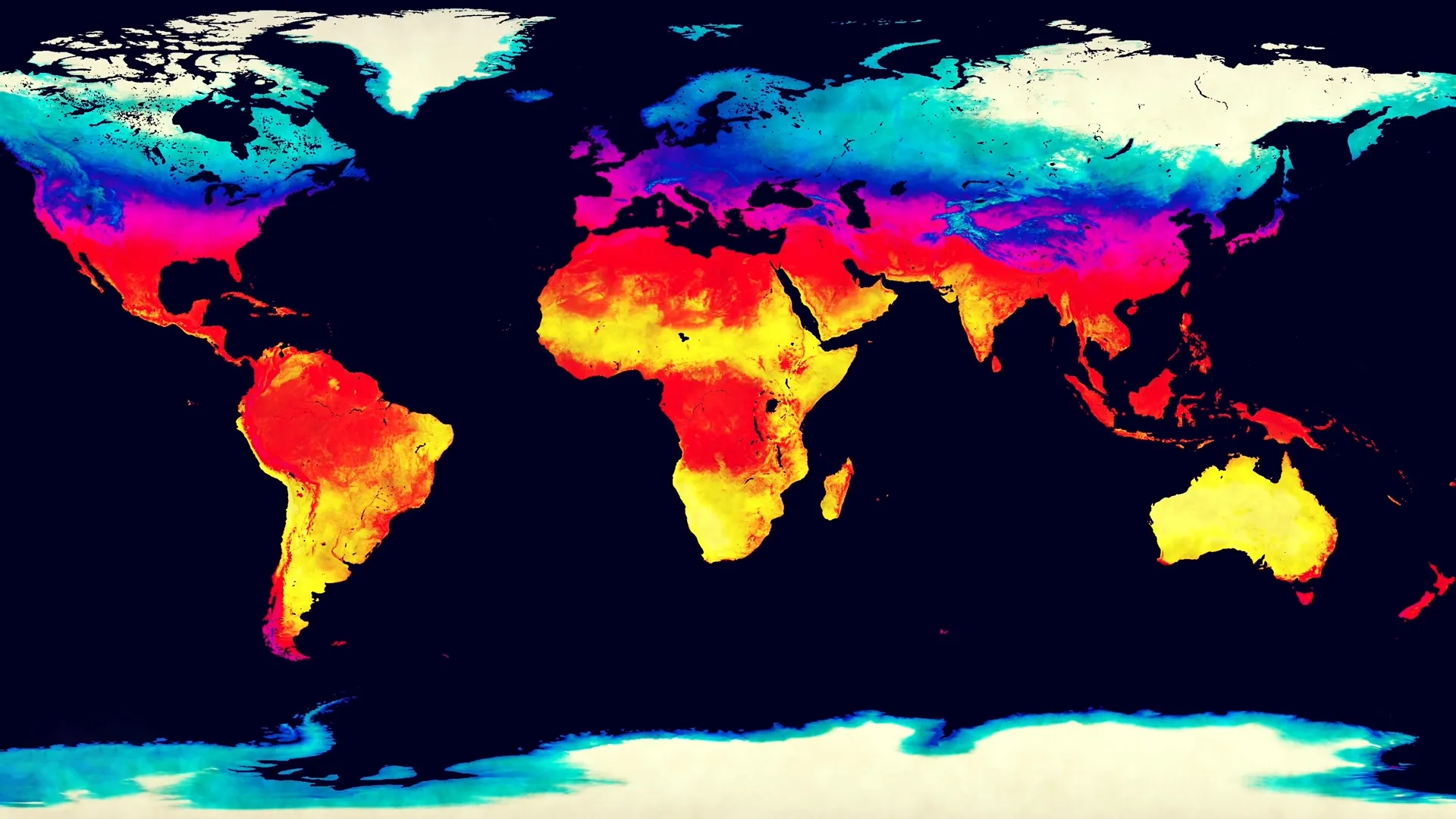
This helps weather forecasters keep track of trends and shifts in regional climates. Continuous extreme weather instances can lead to heatwaves, floods, and more severe thunderstorms. For example, warmer temperatures in colder months and vice versa point to shifts in the atmospheric dynamic of a region.
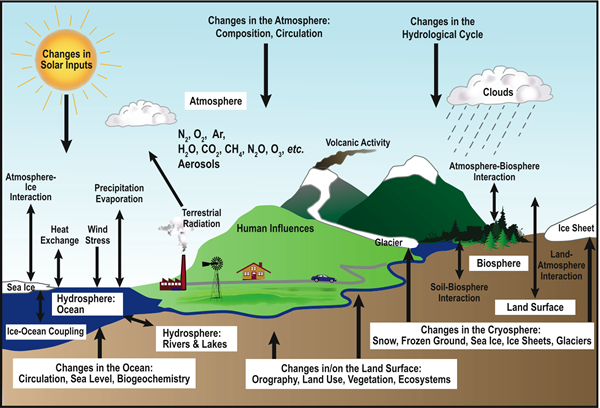
Scientists who study climatology look at solar radiation, ocean heat content, sea surface temperature, humidity and temperature, wind, precipitation, snow cover, and sea ice. From a weather forecaster’s perspective this is important to keep in mind during hurricane season near coastal areas, tornadoes in the Midwest and Plains, and Nor’easters in New England.
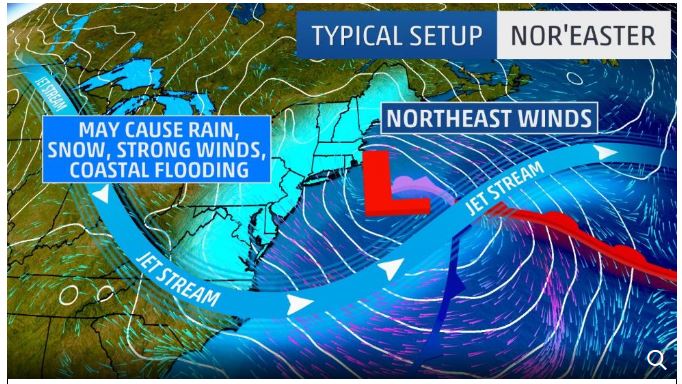
For example, a weather forecaster in New England can look at historical data of Nor’easters. These are cold-core winter storms that bring heavy snow fueled by the contrast in temperature between cold air blowing in from the north and warm ocean air as found in the Atlantic.
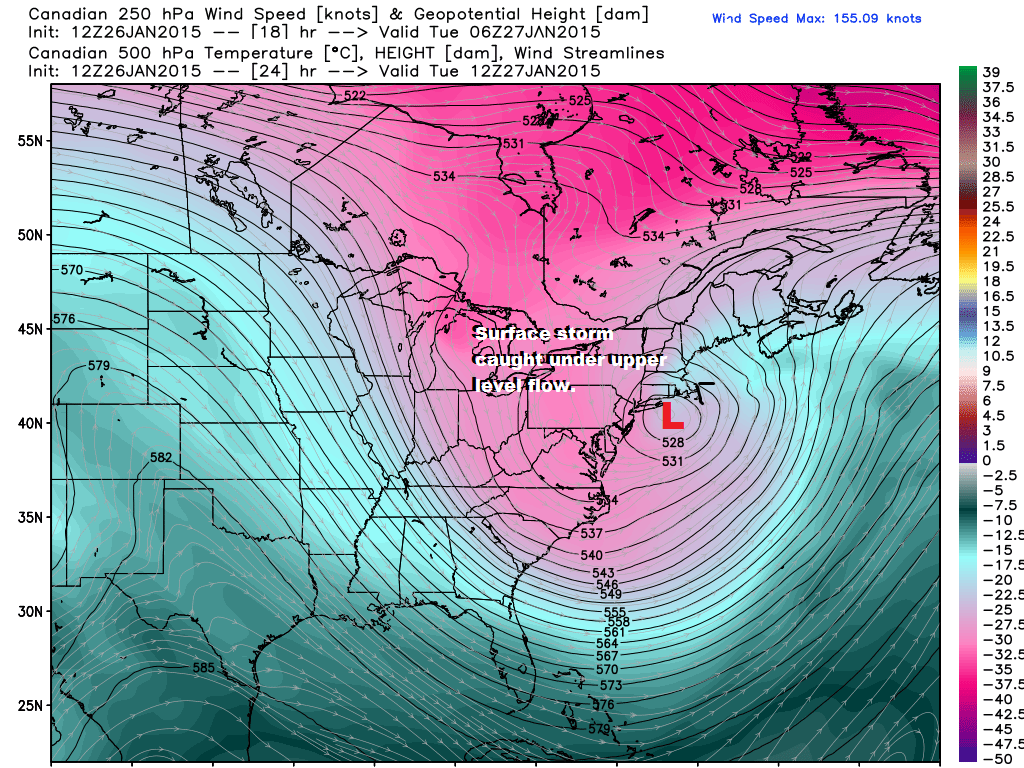
In examining the locations of past Nor’easters, the elements in the atmosphere present (winds, snow fall, snow depth, ambient temperature, relative humidity, sea surface temperatures, pressure, sea level pressure), it aids in tracking the potential path for an upcoming one.